Phonics is a crucial aspect of learning to read, and for 1st-grade students, it’s an exciting time to start exploring the world of words and sounds. At this stage, children are beginning to recognize the relationship between sounds and letters, and phonics lessons play a vital role in reinforcing this understanding. By introducing phonics concepts in a fun and engaging way, teachers and parents can help 1st-grade students build a strong foundation for reading and spelling.
As children progress through 1st grade, they’ll encounter various phonics concepts, including word families, beginning and ending sounds, and blending sounds together. Phonics lessons for 1st grade should be designed to cater to different learning styles, incorporating visual, auditory, and kinesthetic approaches to keep students engaged and motivated. With the right approach, phonics can become an enjoyable and rewarding experience for young learners, setting them up for success in their reading journey.
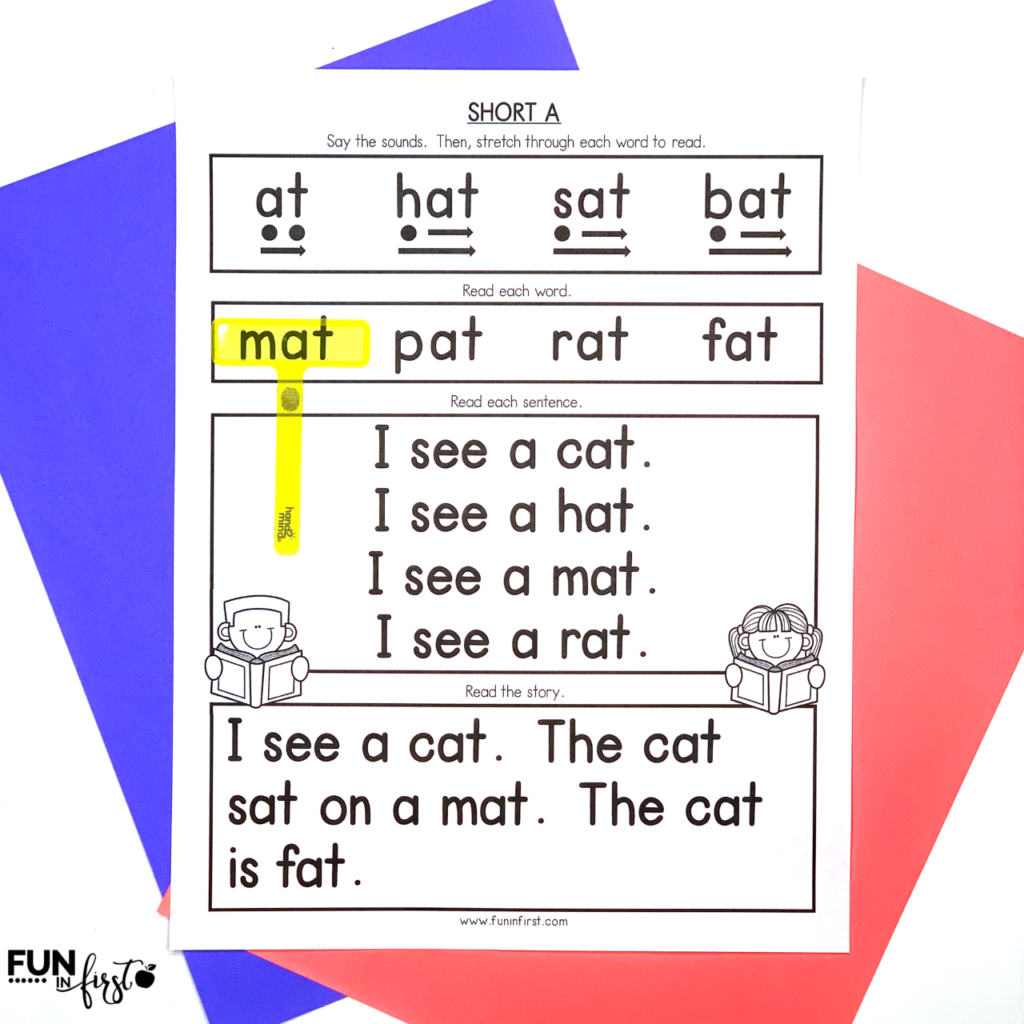
Reading Activities For 1st Graders Fun In First
Introduction to Phonics
When introducing phonics to 1st-grade students, it’s essential to start with the basics. This includes teaching the sounds of individual letters, such as the sounds /m/, /a/, and /t/. From there, students can begin to learn word families, like -at, -an, and -in, which helps them recognize patterns and decode simple words. Phonics lessons should also incorporate activities that promote phonemic awareness, such as identifying beginning sounds, ending sounds, and rhyming words.
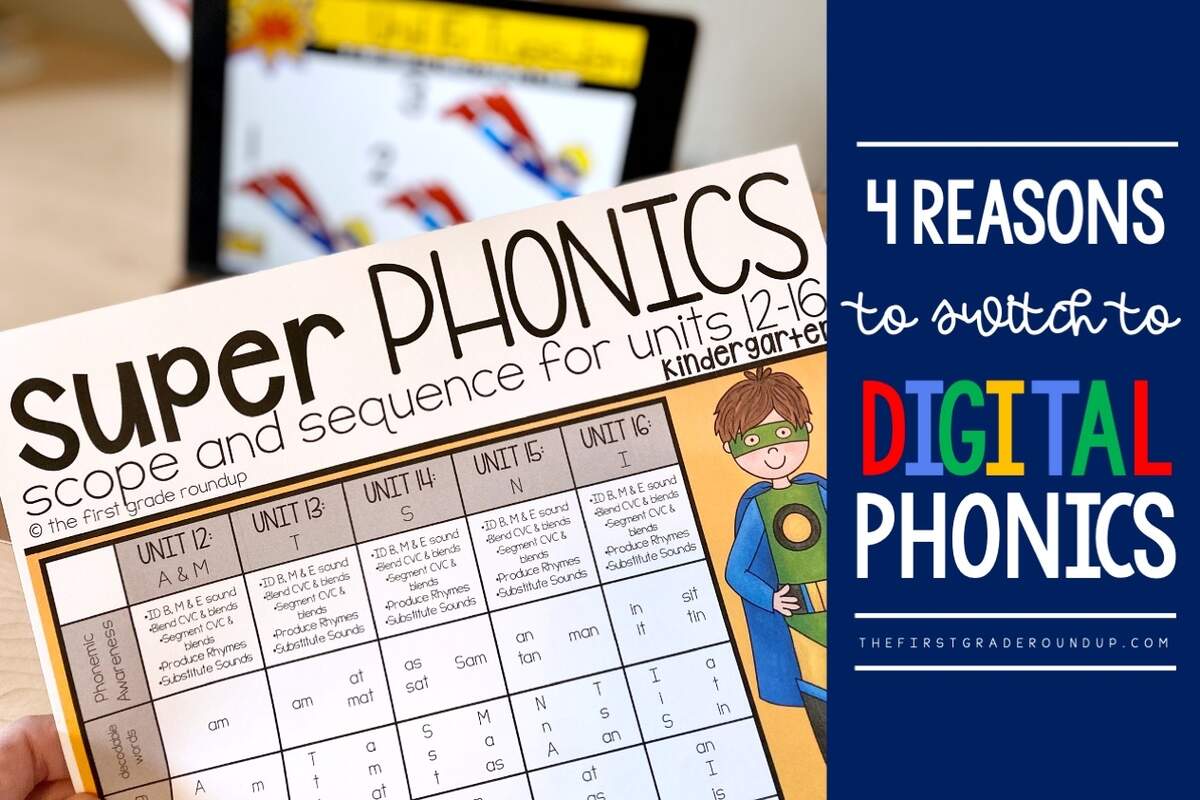
4 Reasons I Use DIGITAL Phonics Lessons For 1st Grade The First Grade Roundup
Phonics Lesson Plans
Effective phonics lesson plans for 1st grade should be structured and systematic, yet flexible enough to accommodate different learning needs. Teachers can use a variety of resources, including worksheets, games, and online tools, to create engaging and interactive lessons. Some popular phonics lesson plans include the Orton-Gillingham approach, which focuses on explicit instruction and multisensory learning, and the Wilson Reading System, which emphasizes phonemic awareness and decoding skills.
Assessing Progress
As students progress through phonics lessons, it’s crucial to assess their progress regularly. This can be done through informal observations, quizzes, and standardized tests. Teachers and parents should look for signs of mastery, such as the ability to decode simple words, recognize word families, and apply phonics concepts to reading and spelling. By monitoring progress and adjusting instruction accordingly, educators can ensure that 1st-grade students receive the support they need to succeed in phonics and beyond.
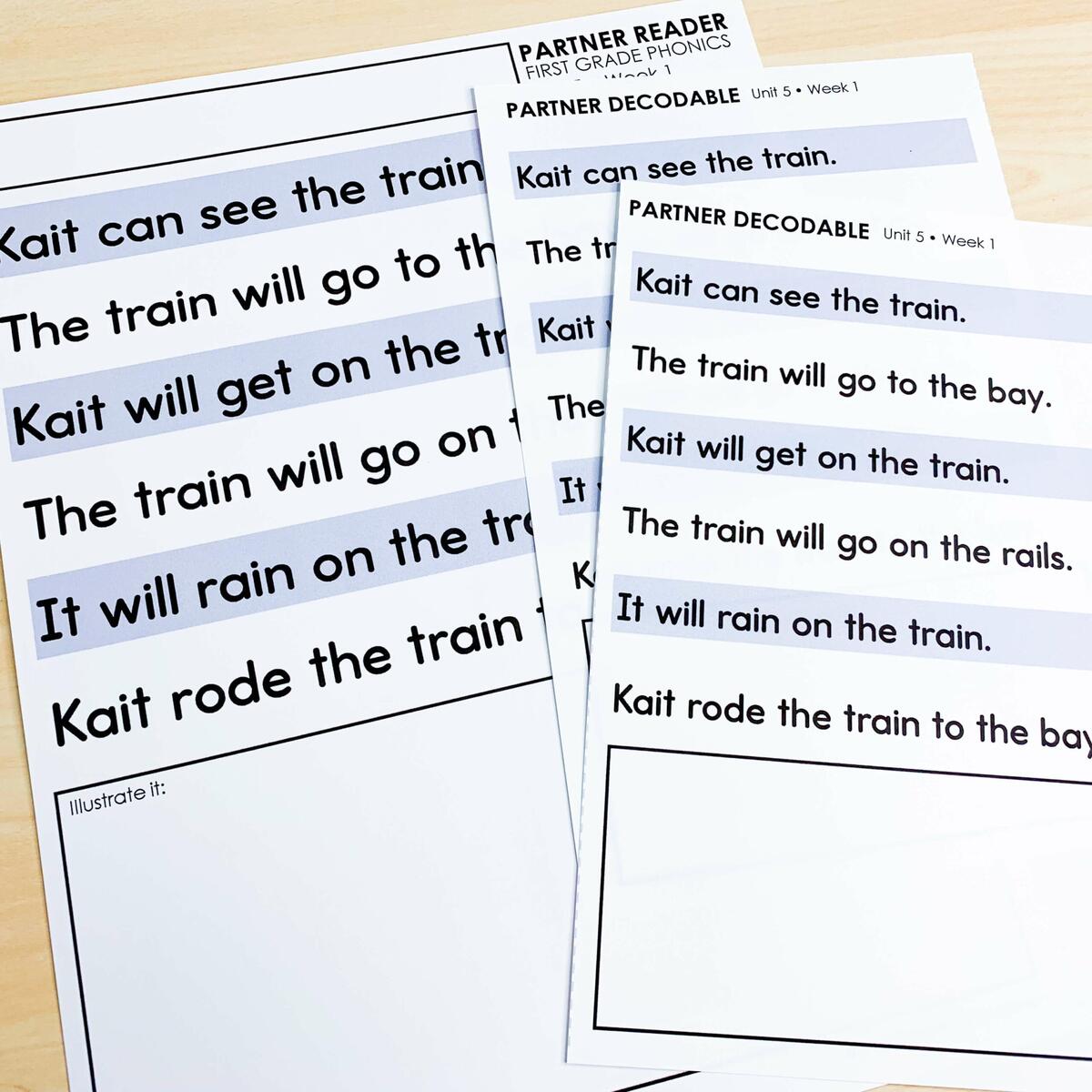
First Grade Phonics Unit 5 Long Vowel Teams Diphthongs Lesson Plans Worksheets
By following a well-structured phonics program and providing ongoing support, 1st-grade students can develop a strong foundation in reading and spelling. As they become more confident in their abilities, they’ll be able to tackle more complex texts and explore a wider range of literary genres. With phonics lessons, the goal is not only to teach reading skills but also to foster a lifelong love of learning and a deep appreciation for the written word.
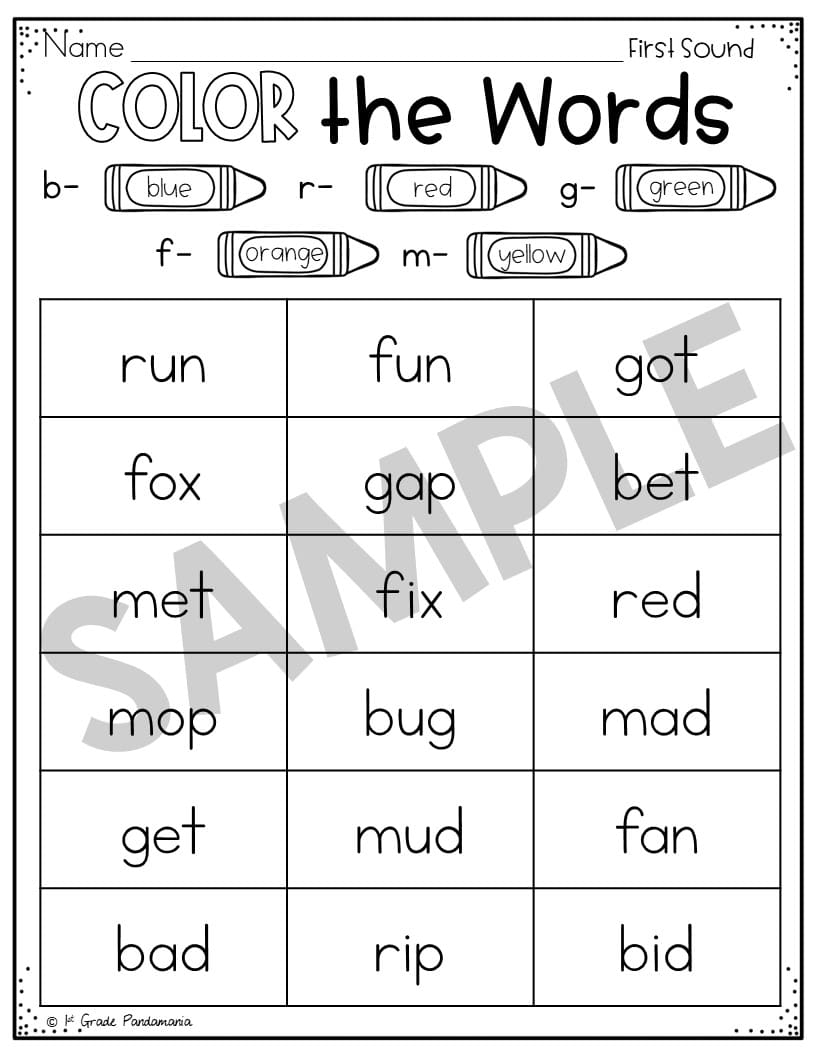
Beginning Sounds Worksheets Phonics Activities 1st Grade Pandamania
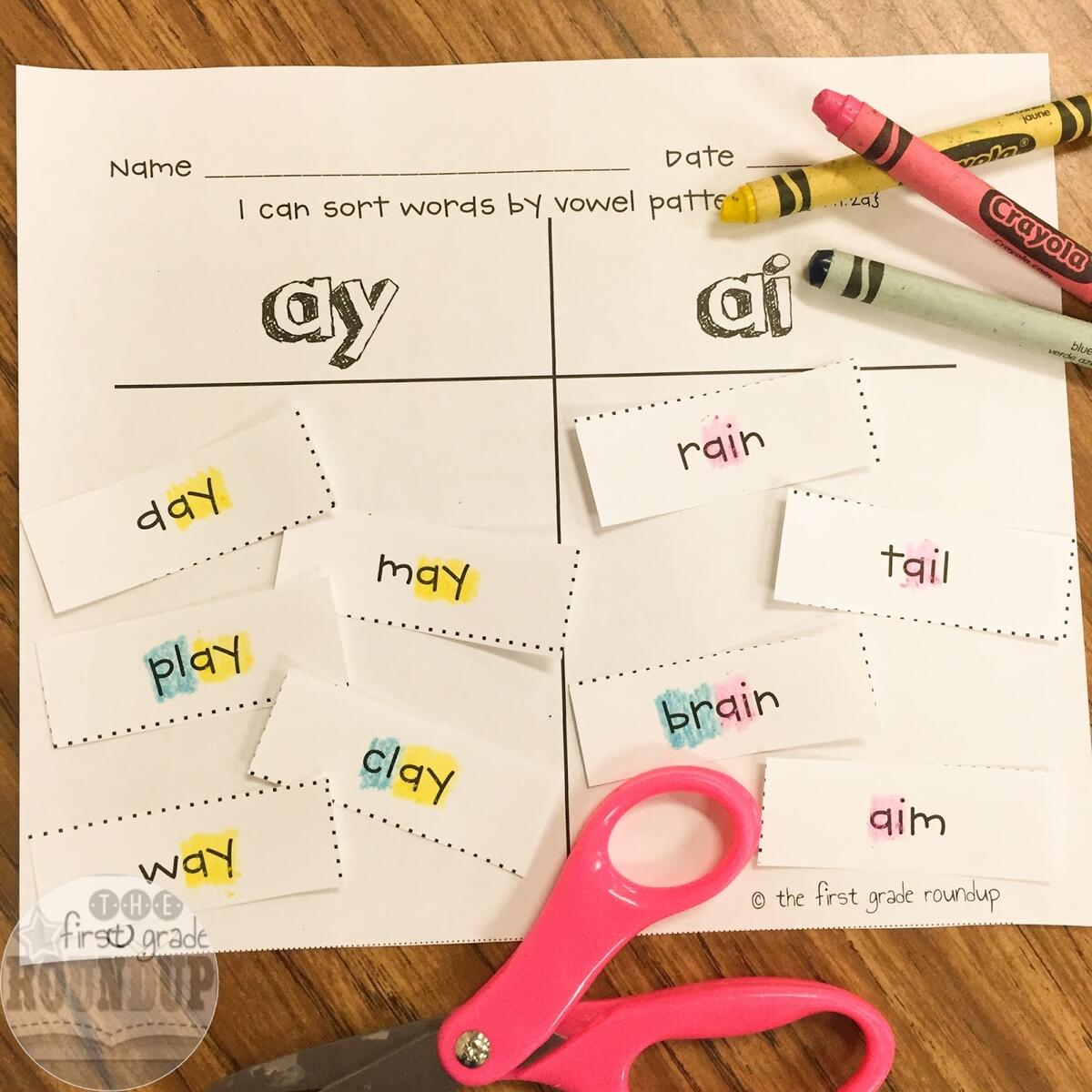
Weekly Phonics Routine For 1st Grade The First Grade Roundup